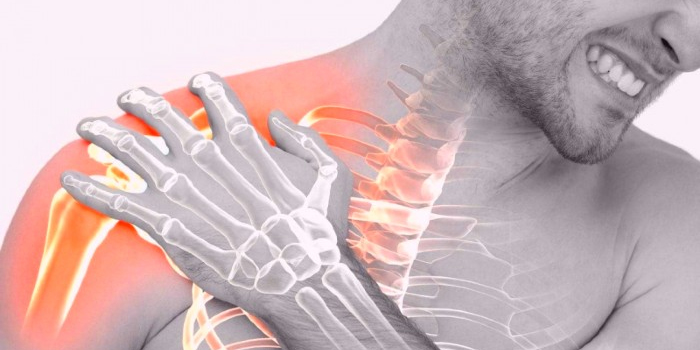
Frozen Shoulder
Frozen shoulder, also known as adhesive capsulitis, is a condition that causes pain, stiffness, and restricted movement in the shoulder joint. It typically develops gradually and can significantly impact daily activities such as reaching overhead, dressing, lifting objects, or performing routine tasks. The condition occurs when the connective tissue surrounding the shoulder joint becomes inflamed and thickened, leading to reduced mobility and discomfort.
Frozen shoulder commonly affects individuals between the ages of 40 and 60 and is more frequently seen in people with diabetes, thyroid disorders, or those recovering from shoulder injuries or surgeries. The condition generally progresses through three stages: the freezing stage, where pain gradually increases; the frozen stage, where stiffness becomes more prominent; and the thawing stage, during which shoulder movement slowly improves.
Physiotherapy plays a crucial role in the treatment and recovery of frozen shoulder. A personalized rehabilitation program may include stretching exercises, joint mobilization techniques, posture correction, and strengthening exercises to restore flexibility and function. Early diagnosis and timely intervention can help reduce pain, improve range of motion, and prevent long-term complications.